
Cameras & Surveillance
Home Security Cameras: Types, Placement, and Cold-Weather Considerations
A breakdown of camera formats — dome, bullet, PTZ — and what to look for when choosing outdoor cameras rated for Canadian winters.
Read articlePractical information on choosing, installing, and maintaining security cameras, alarm systems, and smart locks for residential properties across Canada.

Cameras, alarm systems, and smart locks — the core components of a residential security setup.
Equipment rated for cold climates, considerations under provincial privacy legislation, and local installation standards.
Each article covers product types, installation considerations, and factors that affect performance in real conditions.
Articles
Three in-depth articles on the most common home security components for Canadian properties.
Cameras & Surveillance
A breakdown of camera formats — dome, bullet, PTZ — and what to look for when choosing outdoor cameras rated for Canadian winters.
Read article
Smart Locks
How keypad, Bluetooth, Z-Wave, and biometric locks differ, and what compatibility factors matter when retrofitting existing door hardware.
Read article
Alarm Systems
The difference between professionally monitored and DIY alarm systems, sensor types, and what ULC certification means for Canadian insurers.
Read article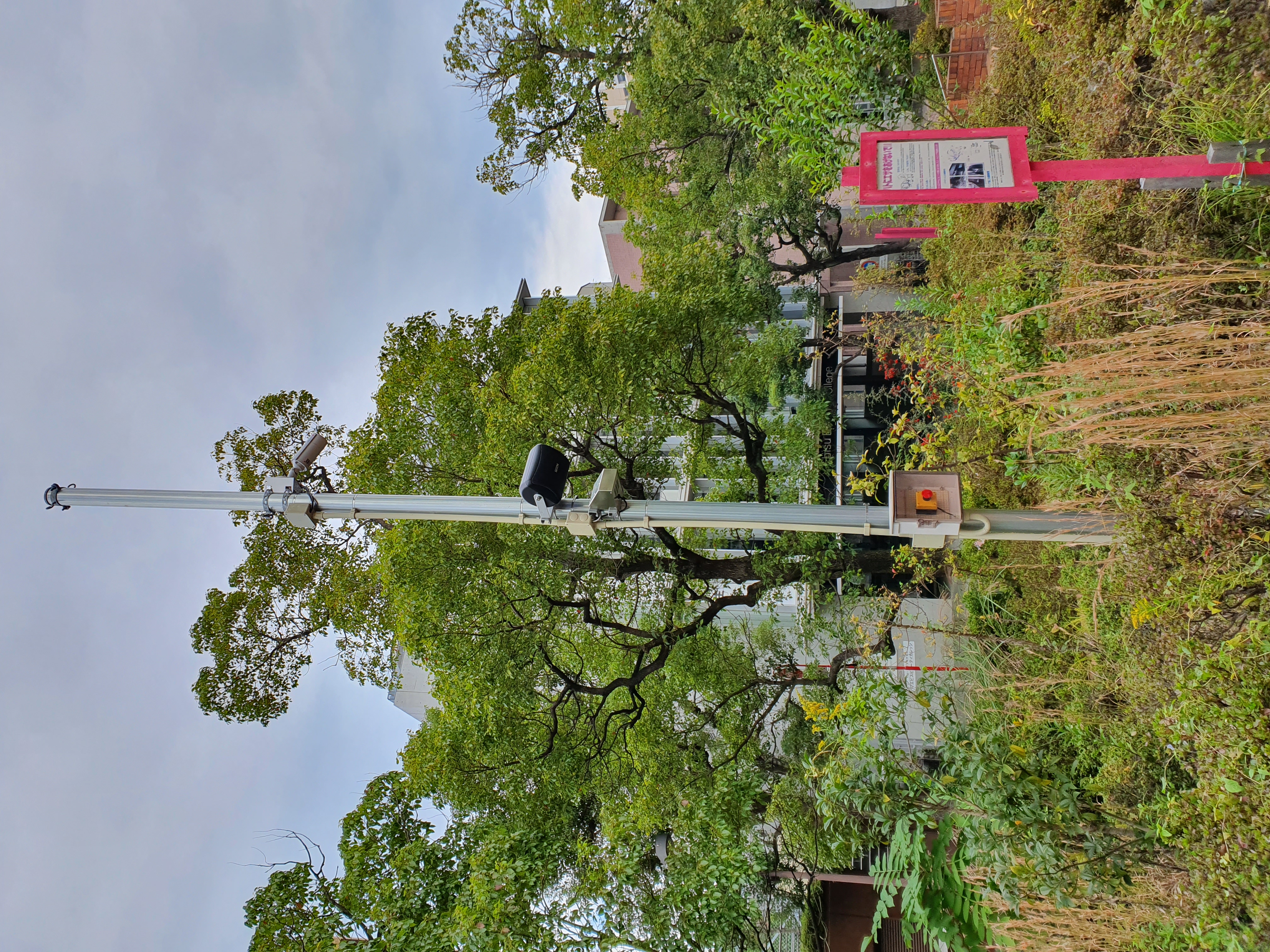
Outdoor Installation
Outdoor cameras in Canada face specific challenges: temperature swings from −40°C to +35°C, ice formation on lenses, and condensation when entering heated areas. Most manufacturers publish an operating temperature range, and choosing cameras with an IP66 or higher ingress protection rating reduces moisture-related failures.
Entry points — front and rear doors, garage, and side gates — are the most commonly covered areas. Wide-angle lenses (90°–120°) reduce the number of cameras needed for full perimeter coverage.

Equipment Standards
Underwriters Laboratories of Canada (ULC) certifies alarm systems and monitoring stations. Some home insurance policies in Canada require ULC-certified equipment or monitoring to qualify for a security discount. The certification process covers reliability standards, tamper resistance, and central station monitoring protocols.
Not all products marketed in Canada carry ULC certification. When comparing alarm systems, checking the product documentation or the ULC directory confirms whether a specific panel or monitoring service meets the standard.
Key Considerations
Before selecting equipment, understanding these variables helps narrow down the options that suit your property and local conditions.
In Canada, outdoor cameras that capture areas beyond your property boundary — sidewalks, neighbours’ yards — may be subject to PIPEDA or provincial privacy laws. Cameras should be aimed at areas you own or control.
Wi-Fi cameras require a stable 2.4 GHz or 5 GHz signal near the installation point. In larger properties, access point placement becomes a factor. Wired PoE cameras avoid wireless interference but require cabling during installation.
During power outages, hardwired alarm systems with a battery backup continue operating. NVR-based camera systems depend on local power unless equipped with UPS units. Cellular communicators in alarm panels maintain connectivity when internet goes down.
Local NVR or DVR storage keeps footage on-site without subscription fees. Cloud storage offers off-site redundancy but involves ongoing costs and depends on upload bandwidth. Hybrid systems record locally while backing up clips to the cloud.
Motion-triggered cameras and sensors produce false alerts from animals, wind-blown branches, and vehicle headlights. Adjustable motion zones, PIR sensitivity settings, and pet-immune sensors reduce unwanted notifications.
Professional installation typically involves running conduit, configuring NVRs, and ensuring cameras are properly anchored. DIY wireless systems reduce installation complexity but may have limitations in larger properties or older buildings with thick walls.